Can BIRKENSTOCKS Be Repaired? A Guide to Resoling, Refurbishing & Longevity


Can Birkenstocks Be Repaired? (Quick Answer)

Yes. Many components of BIRKENSTOCK sandals can be repaired, replaced, or refreshed.

The most commonly repairable parts include:

  • The sole
  • The cork Footbed
  • Straps and buckles
  • In some cases, the entire Footbed

This repairability is not accidental. BIRKENSTOCK sandals are designed as layered systems, which means individual parts can be maintained rather than the whole product being discarded.

Why Repairability Is a Sign of Quality Footwear

Repairable footwear sits at the opposite end of the spectrum from disposable fashion.

Built to last, not to replace

Most low cost sandals are made as a single unit. Once one part fails, the entire product is no longer usable.

BIRKENSTOCK sandals and shoes, by contrast, are constructed in layers. This allows individual components to be repaired or replaced without compromising the entire structure. Learn more about the craftmanship and quality of BIRKENSTOCKS in our BIRKENSTOCK Quality Guide.

Sustainability benefits

Repairing rather than replacing reduces waste. It also extends the lifecycle of materials like cork and leather, which are designed to age rather than degrade quickly.

Long term value

Repairability supports the idea of cost per wear. A product that can be maintained over time becomes more economical in the long run.

What Parts of BIRKENSTOCKS Can Be Repaired?

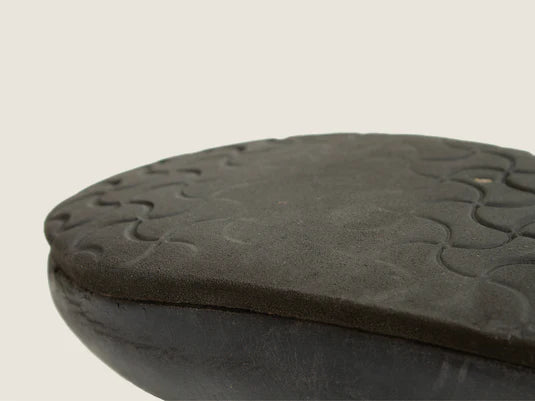
BIRKENSTOCK Sole Repairs


1. Sole

The outsole is the most commonly replaced part.

  • Wears down with regular use
  • Can be removed and replaced without affecting the upper
  • Restores grip and shock absorption
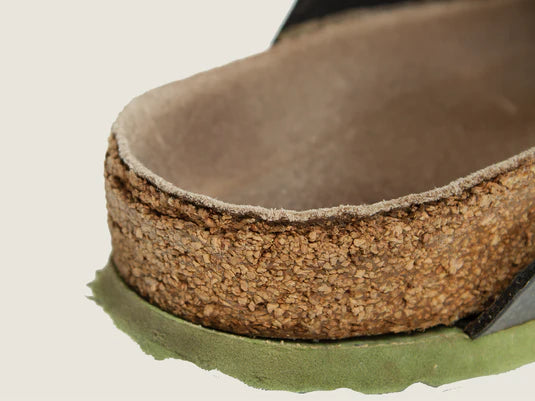
BIRKENSTOCK Cork Repair


2. Cork Footbed

The cork layer can often be repaired rather than replaced.

  • Minor cracks can be sealed
  • Dry cork can be reconditioned
  • Preventative maintenance helps avoid major damage
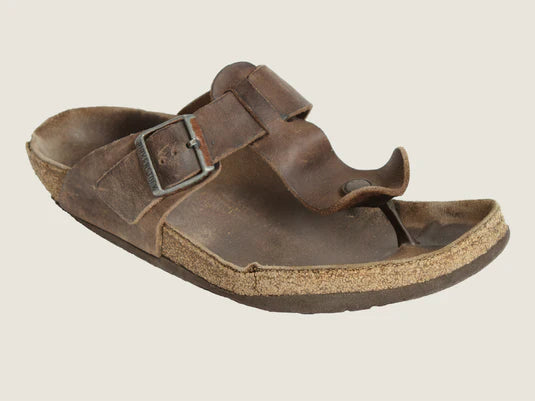
BIRKENSTOCK Repairs
BIRKENSTOCK Repairs


3. Footbed (Full Replacement)

In some cases, the entire Footbed can be replaced.

  • Useful when structural integrity is compromised
  • Less common than sole replacement
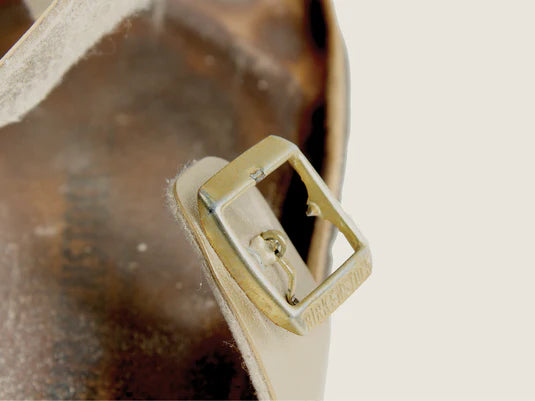
BIRKENSTOCK Buckles Repairs


4. Straps and buckles

Depending on the model and damage:

  • Buckles can be replaced
  • Straps may be repaired or reinforced

BIRKENSTOCK Resoling: What You Need to Know

Birkenstock resole is the most common repair service.

When do soles need replacing?

Look for these signs:

  • Tread is worn smooth
  • Uneven wear patterns
  • Reduced grip or cushioning
  • Visible thinning of the sole

What does resoling involve?

  • Removing the worn outsole
  • Preparing the Footbed base
  • Bonding a new EVA sole
  • Finishing edges for a clean fit

Because the footbed remains intact, resoling restores function without losing the personalised fit that develops over time.

Why resoling matters

The sole absorbs impact and protects the structure underneath. Replacing it extends the life of the entire sandal significantly.

Birkenstock Cork Footbed

Repairing the Cork Footbed

The cork Footbed is central to BIRKENSTOCK’s FUNCTION pillar. It is designed to mould to your foot, but it also requires care.

Common issues
- Drying and brittleness
- Small cracks along the edges
- Surface wear

How to fix minor damage
- Apply cork sealant to maintain flexibility
- Address small cracks early to prevent spreading
- Keep the footbed clean and dry

Preventative care
- Regular maintenance reduces the need for major repairs.
- Avoid prolonged exposure to water
- Store in a dry environment
- Reapply sealant when the cork looks dry

Related reading: Care and Maintenance Guide

Repairing the Cork Footbed

The cork Footbed is central to BIRKENSTOCK’s FUNCTION pillar. It is designed to mould to your foot, but it also requires care.

Common issues
- Drying and brittleness
- Small cracks along the edges
- Surface wear

How to fix minor damage
- Apply cork sealant to maintain flexibility
- Address small cracks early to prevent spreading
- Keep the footbed clean and dry

Preventative care
- Regular maintenance reduces the need for major repairs.
- Avoid prolonged exposure to water
- Store in a dry environment
- Reapply sealant when the cork looks dry

Related reading: Care and Maintenance Guide

Birkenstock footbed

Can the Footbed Be Replaced?

Yes, but it depends on the condition of the sandal.

When replacement makes sense
- The cork structure is severely damaged
- The Footbed has lost its shape
- Repairs are no longer effective

Cost vs replacement
In some cases, replacing the Footbed can approach the cost of a new pair. This is where decision making becomes practical rather than technical.

Limitations
Not all models or conditions are suitable for full Footbed replacement. Assessment by a professional repair service is often required.

Can the Footbed Be Replaced?

Yes, but it depends on the condition of the sandal.

When replacement makes sense
- The cork structure is severely damaged
- The Footbed has lost its shape
- Repairs are no longer effective

Cost vs replacement
In some cases, replacing the Footbed can approach the cost of a new pair. This is where decision making becomes practical rather than technical.

Limitations
Not all models or conditions are suitable for full Footbed replacement. Assessment by a professional repair service is often required.


DIY vs Professional Repair: What’s Best?

Some repairs are simple. Others require expertise.

DIY repairs

Suitable for:

  • Applying cork sealant
  • Cleaning and basic care
  • Minor cosmetic fixes

Professional repairs

Recommended for:

  • Resoling
  • Structural cork damage
  • Strap or buckle replacement

Risks of DIY

Improper repairs can:

  • Damage the Footbed structure
  • Affect fit and comfort
  • Shorten lifespan rather than extend it

When in doubt, professional repair is the safer option.


How Repairs Extend the Life of Your BIRKENSTOCKS

Repairability directly impacts lifespan.

Lifespan extension

Replacing worn components allows the sandal to continue functioning as intended.

Cost savings

Instead of replacing the entire product, you only repair what is worn. This reduces long term cost.

Sustainability benefits

Fewer replacements mean less material waste and more efficient use of resources.

Related reading: [Lifespan and Durability]

Gizeh Birkenstock Sandals

When Should You Replace Instead of Repair?

Not every pair can or should be repaired.

Signs replacement may be better
- Severe cork breakdown
- Footbed has collapsed beyond repair
- Multiple components failing at once
- Repair cost approaching replacement cost

Practical decision making
Repair is most effective when the core structure is still intact. Once that is compromised, replacement may offer better value.

When Should You Replace Instead of Repair?

Not every pair can or should be repaired.

Signs replacement may be better
- Severe cork breakdown
- Footbed has collapsed beyond repair
- Multiple components failing at once
- Repair cost approaching replacement cost

Practical decision making
Repair is most effective when the core structure is still intact. Once that is compromised, replacement may offer better value.


Why BIRKENSTOCKS Repairability Sets It Apart

Repairability is not standard across footwear.

Designed for longevity

BIRKENSTOCK sandals are built as layered systems, making them inherently more repairable than single mould designs.

Compared to non-repairable footwear

Many sandals:

  • Cannot be resoled
  • Use glued foam constructions
  • Are designed for short term use

Reinforcing premium value

Repairability supports:

  • Durability
  • Sustainability
  • Long term usability

It also reflects the brand’s broader focus on quality, function, and tradition as core principles .

FAQs

  • Yes. Resoling is one of the most common repairs and can significantly extend the life of the sandal.

  • Costs vary depending on the repair. Resoling is typically more affordable than buying a new pair, while full footbed replacement can be more expensive.

  • With proper care and occasional repairs, they can last for several years, sometimes longer depending on usage.

  • Better support, improved comfort, longer lifespan, and reduced need for frequent replacement.

  • In many cases, yes. Their durability and frequent use can lower the cost per wear compared to less expensive footwear.